A series of short essays on how watch cases challenge the notion of form and deconstruct the space.
Universal Geneve Hexagon 1960, an Underdog.
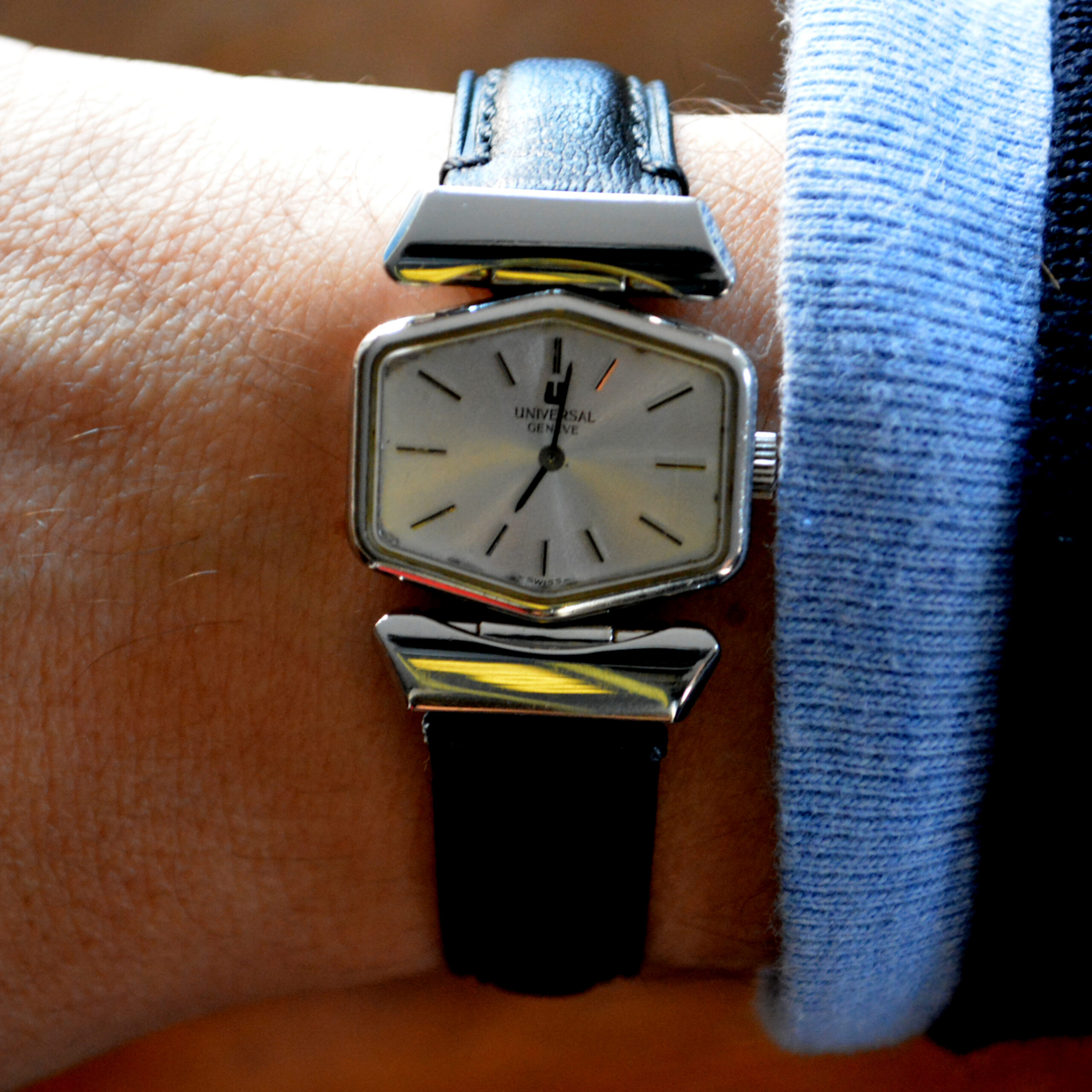
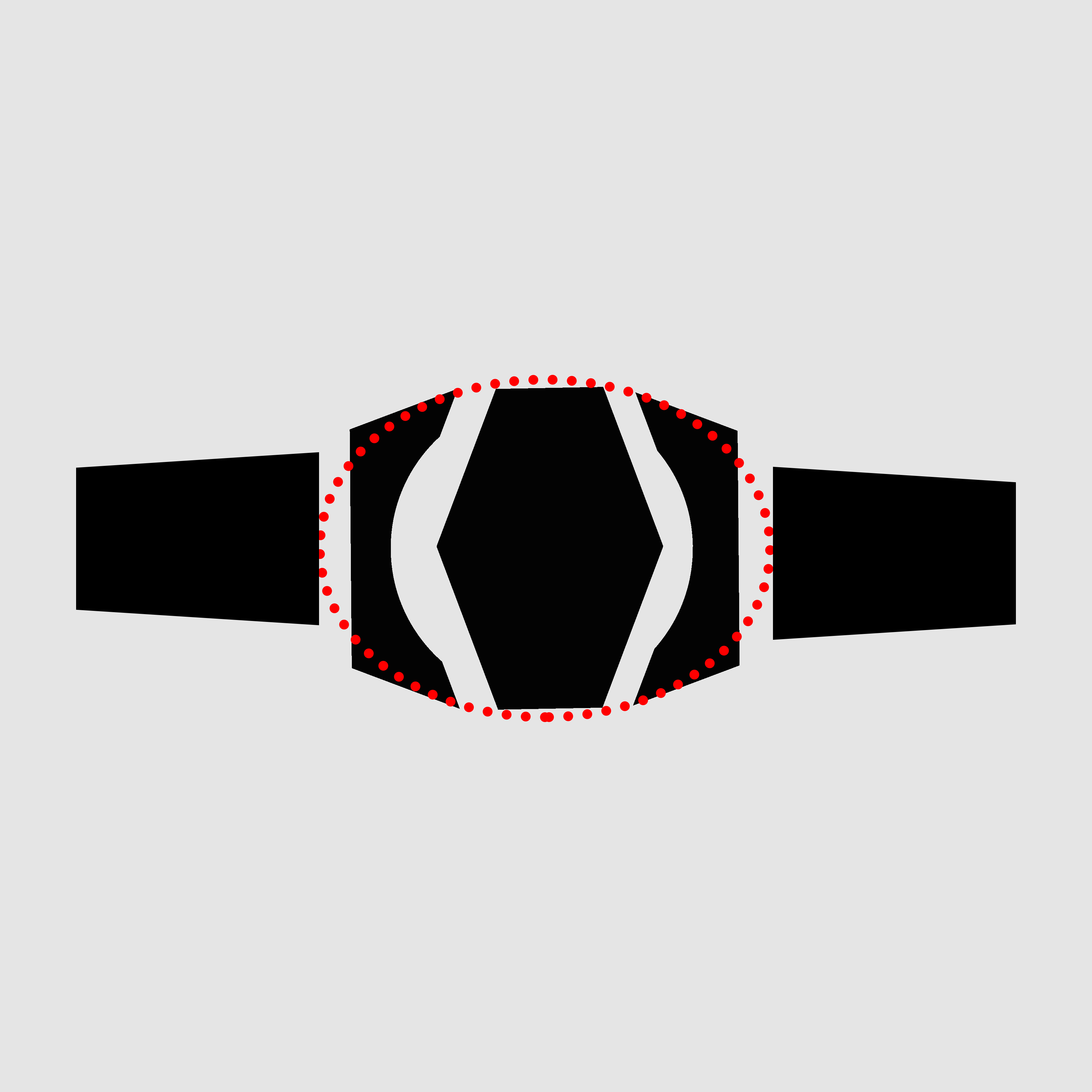
Silver/Gold dial. Hour-Minute caliber UG11. 24mm without crown, 29mm lug to lug. 14mm lugs. 5 mm thickness. Overval hexagonal case, dressing like a deconstructed tonneau /oval shape.
A watch for men and women. The Deconstructed Tonneau.
An underdog. The negative space works to deconstruct the overall integrity of the cases’ shape. Wings( Separated Lugs) add depth and functionality to fit the wrist circumference and stretch a conventional hexagonal shape to a more muscular tonneau case. From a case design, fitting a woman’s wrist, to a more mans’ wrist case: a classic tonneau. Designed for both men and women, by altering the design construction and its composition. I know just another designer worked with the negative space in watch cases: Gerald Genta. Here an underdog that at first glance looks like a standard hexagonal shape with drop lugs, characteristics of 1950. The design is altered and deconstructed. The watch has been designed for both fit men and women thanks to removable wings (separated lugs) keping together the whole thanks to an extra set of quick release pins.

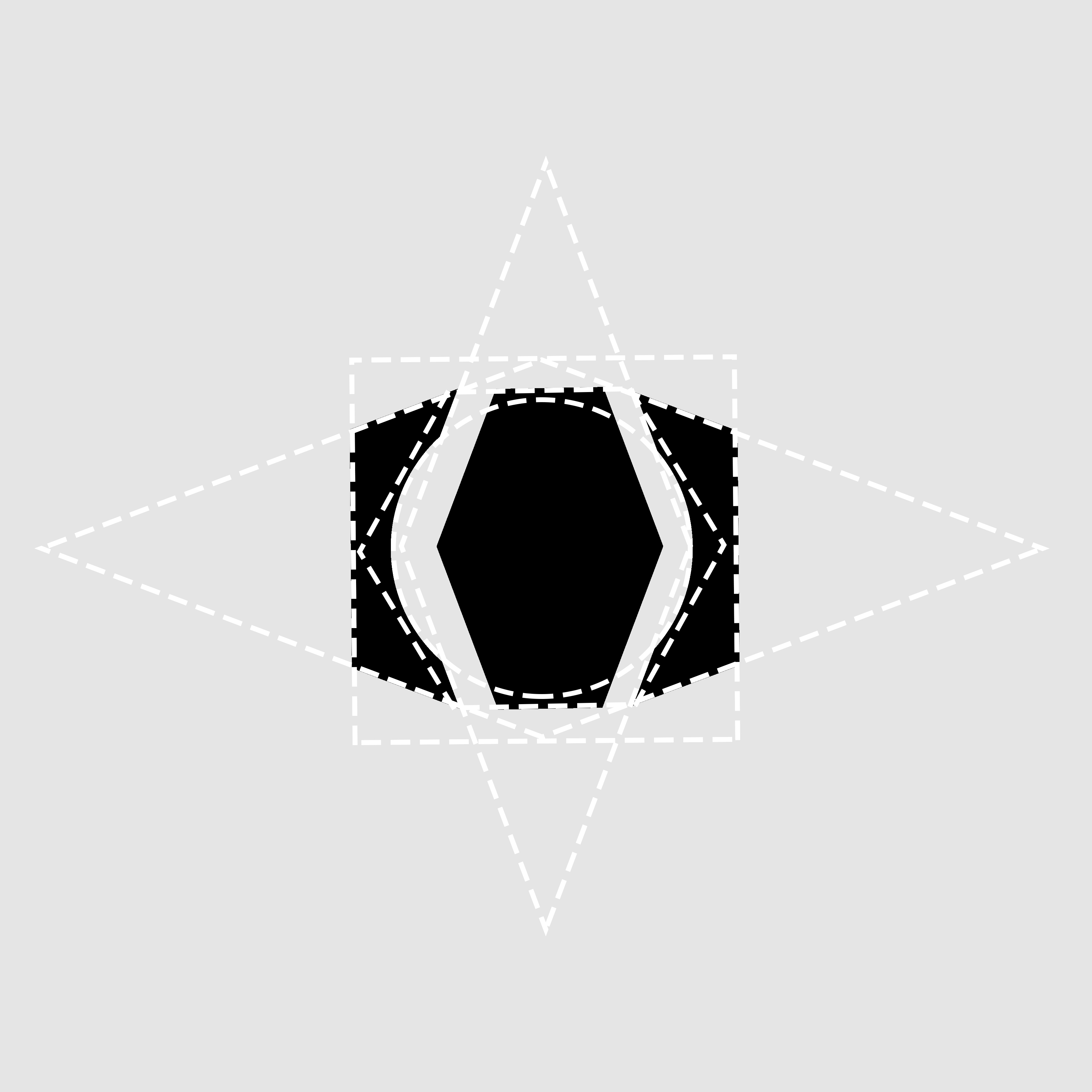
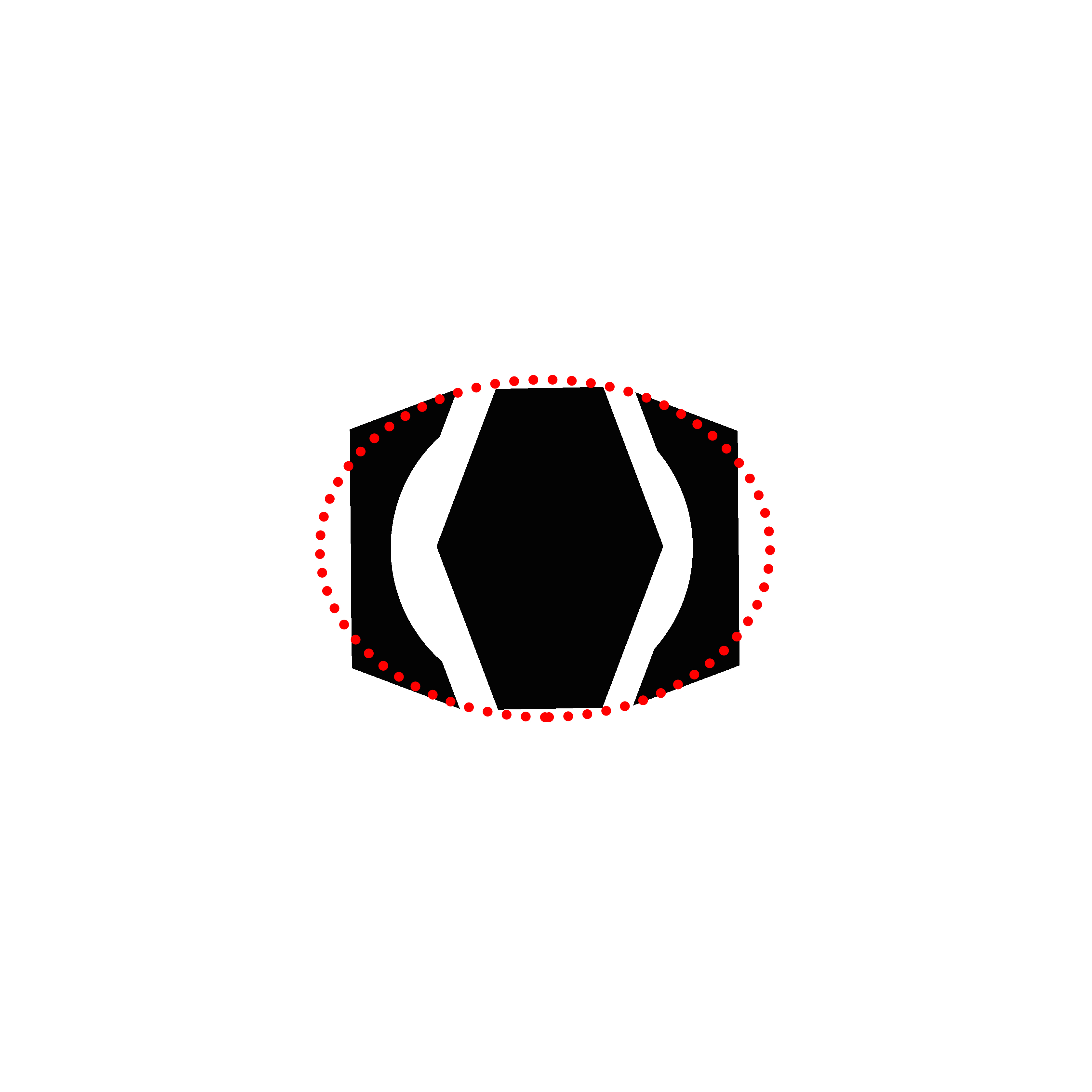
There is so much to know about Universal Geneve. We do not know who is behind most of the designs of the watch they produced. Yet we can give a lucky guess about this one. Indeed there is just another designer so talented he also worked with the negative space of case in watches. Gerald Genta. Here you can appreciate a watch that is such an underdog I bet even old watchmakers did not really get it. The watch case is an overlap of different carved out shapes that all together merge into a more classical oval or tonneau shape.
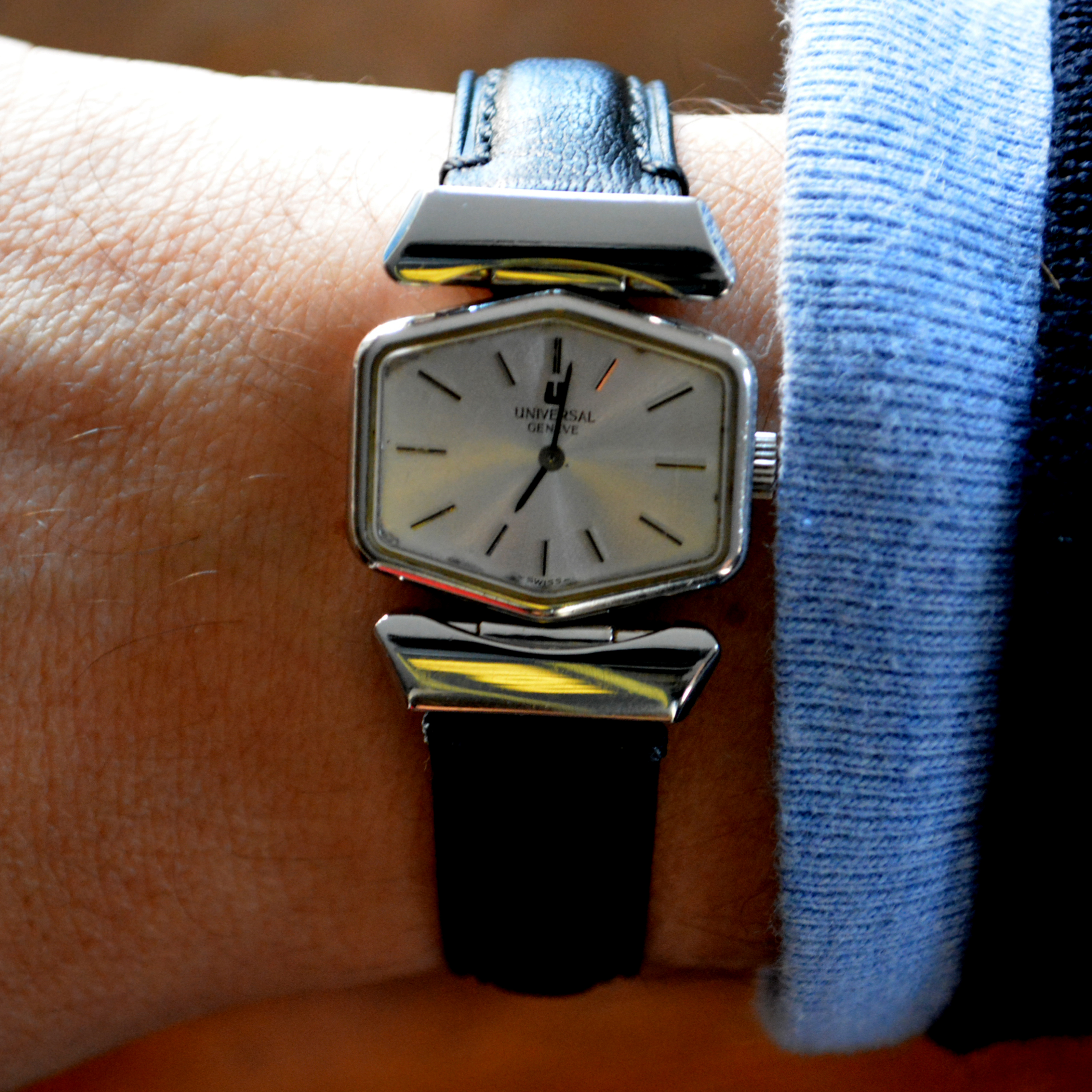
The negative space works to deconstruct the overall integrity and the feeling of wearing it. At its center an hexagon frames the main dial, but the wings not only add depth and functionality to better fit the wrist, but also stretch the more conventional hexagonal shape, better fitting a female wrist, to a more muscular tonneau case. Such deconstruction of the watch case is unique in adding an extra layer of understanding and pleasure. I supposed the watch has been designed to both fit men and women depending on the set up. Removable wings are kept together by an extra set of quick release pins. The overall design is so undermined by the general appearance of the watch, that if not seen in both configurations, the watch would look a simple standard iteration of an hexagonal shape with drop lugs, characteristics of 1950 design. Mine is just a bare speculation, but even if the design is not of Genta, the designer who contributed to shape such an unfamiliar case, belonging to the Universal Geneve family, deserves all the respect the brand has accumulated over the years, sadly lost over time. A forgotten brand. Universal Geneve has not only given birth to Bi-compax and Tri-compax chronographs, Ellipse and Polerouter. It distinguished itself still today for the level of competence and creativity introduced. It is unfortunate that little is known about the history of many models. Lots of designs are unknown; conditions of watches in the traded market are very bad and often spoiled by their former glory

The deconstruction of the form is not a unique thing in the design of object, architecture, fashion. Relatively to the watch world we can recall few spared examples that are more or less known. Strangely their process of design deconstruction, the form of the case, is less understood or known. One such example is the Cartier Tank Basculante, a Creation of the genius of the cases’ watch: Louis Cartier. Such a shape is the representation of deconstructivism, but in this instance “dynamic”. In movement. Indeed the real dissection of the form is within the act of folding and flipping the dial side. The moment in which the watch is set to change face -for protection- this is the only moment in which the watch exposes its real dynamic and tridimensional nature. A floating volume in space moves out from from the main case to acrobatically revolving around an orthogonal axis to the 6-12 axis.
Another of such examples, but more subtle, is the Gerald Genta Success Golf Stroke. Unfortunately most of these watches by nature have such “deconstructivism” of the form, noticeable only by the wearer. Basically if you never tried on your wrist, it is unlikely you can perceive it -unless explained- by simple pictures. The Success Stroke indeed achieves the deconstruction of the space by a genius insertion of four pushers (needed to set the function of the 4 counters), that add up to the one setting the time. The case, an hexagonal again, but more regular and symmetric shape distinguishes a style made famous by Genta himself. Like integrated bracelets became symbols of the Royal Oak of AP, this case’s shape is distinctive of Genta’s many designs and iterations. It seems he was profoundly interested in such shapes. It may be that the case he chose, since it departs from the rectangular, circular or square dogmas of cases. Indeed it may be attributed to the capacity of such a shape to both recall the circular and the square shape.
More discussions in the next chapter. Hope you enjoyed it.


